MYOFASCIAL RELEASE & DEEP TISSUE
WHAT IS THIS MASSAGE?
This massage integrates Deep Tissue, Myofascial Release, Biodynamic Myofascial Integration and Craniosacral techniques.
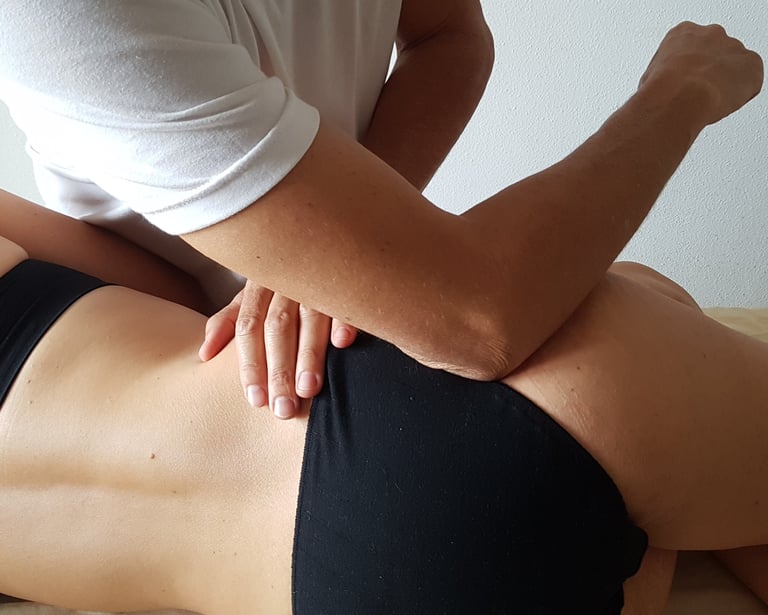
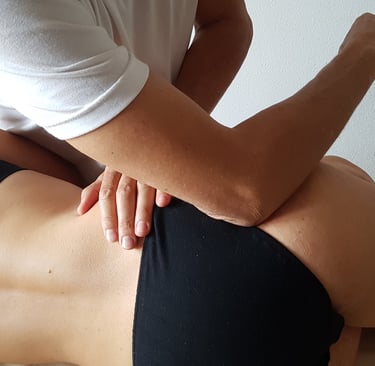
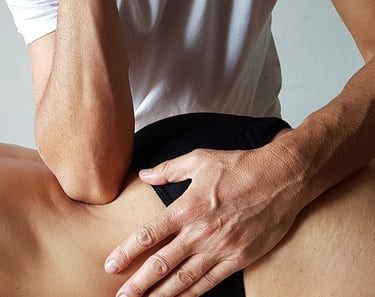
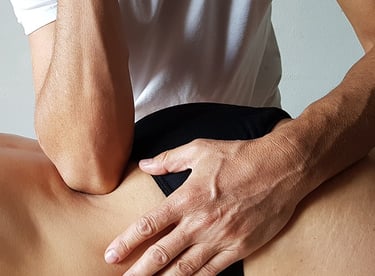
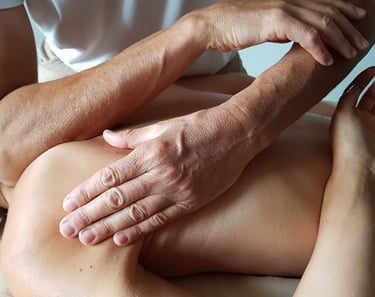
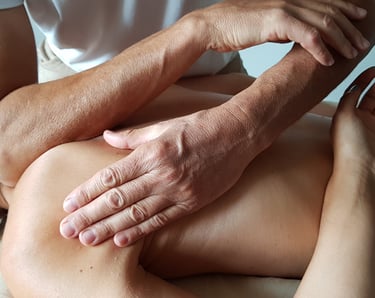
Its purpose is to create lasting changes in the myofascial system by releasing fascial restrictions and tissue adhesions. The work is characterized by depth without force, efficient biomechanics, conscious touch and the use of tools such as knuckles, forearms and elbows.
Deep does not mean strong or painful. It means working in deeper layers with less effort and greater precision, avoiding strain and joint overload.
Our approach focuses on the fascia and postural patterns, which are closely linked to most chronic musculoskeletal pain.
PERCEPTION, TECHNIQUE AND PRESENCE
These are the goals you will achieve in this course:
Improve your palpation, assessment and treatment skills.
Work with proper postural biomechanics, using effective and safe tools to prevent injuries and reduce joint wear, helping you improve your quality of life and extend your professional career.
Develop a conscious touch, based on craniosacral therapy techniques.
Work with less effort and without pain, creating deeper relaxation for the client and longer-lasting benefits.
Focus on the fascia, the body’s connective tissue.
Learn to assess and recognize tissue tensions and restrictions, and respond to the individual needs of your clients.
Practice subtle perception, enhancing your intuitive capacity.
Learn through hands-on practice: connecting, listening and transforming through massage.
Effective bodywork requires the integration of technical mastery of manual techniques, precise tissue perception, a confident touch and intuitive listening that goes beyond mental conditioning, allowing for more accurate, deeper and longer-lasting therapeutic interventions.
COURSE OUTLINE
Craniosacral Techniques
Primary Respiratory Mechanism (PRM)
Exaggeration Technique
Decompression Technique
Biodynamic Integration Technique
Touch and Palpation
Basic Principles of Massage
Postural Biomechanics
General Techniques and Manual Maneuvers
Direction of the Techniques
The Fascia
Physiology of Flexibility
Case History (Anamnesis)
Types of Pain
Myofascial Chains
Body Reading
Body Assessment
Basic Anatomy
Prone Position
Supine Position
Side-Lying Position
Safety and Risks
Summary
Appendix Topics:
Summary of Muscle Chains (GDS Method)
Pelvic Dysfunctions
The Science and the Art of Touch
The Emotional Language of the Body
This is not just another massage course. It is a transformative training experience designed to support your personal and professional growth.
Upon successful completion, you will receive a Certificate in Deep Tissue Massage and Myofascial Release, along with an illustrated manual. Full attendance and active participation are required.
Specialize and stand out in a high-demand field such as Deep Tissue and fascia-based work.